‏إظهار الرسائل ذات التسميات jail. إظهار كافة الرسائل

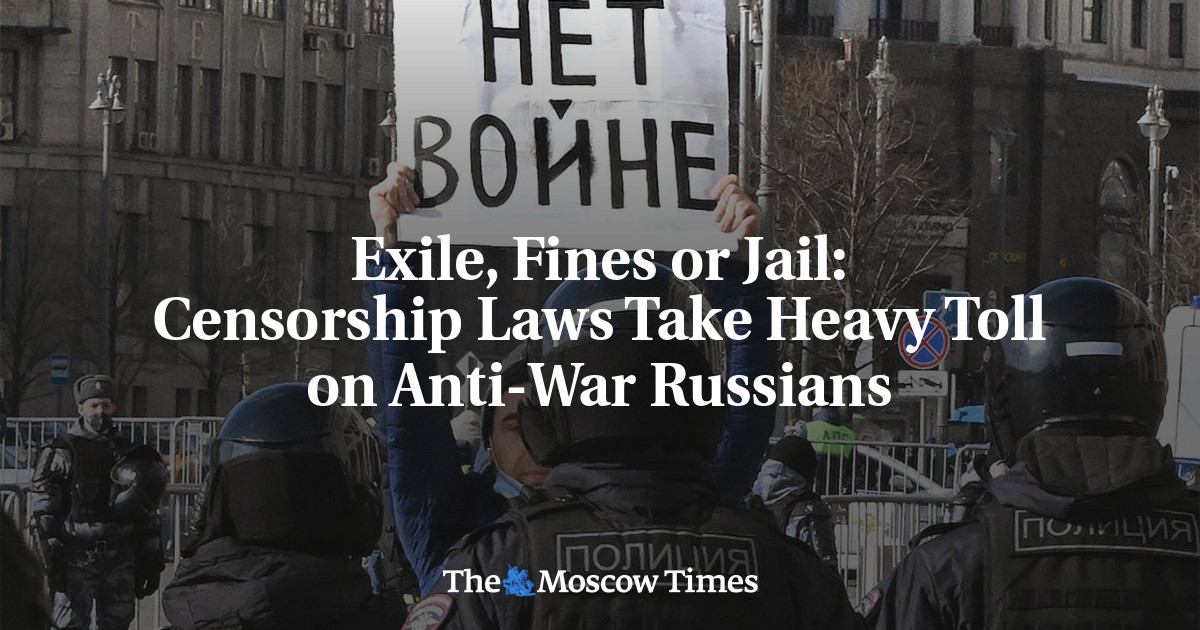
Exile, Fines or Jail: Censorship Laws Take Heavy Toll on Anti-War Russians

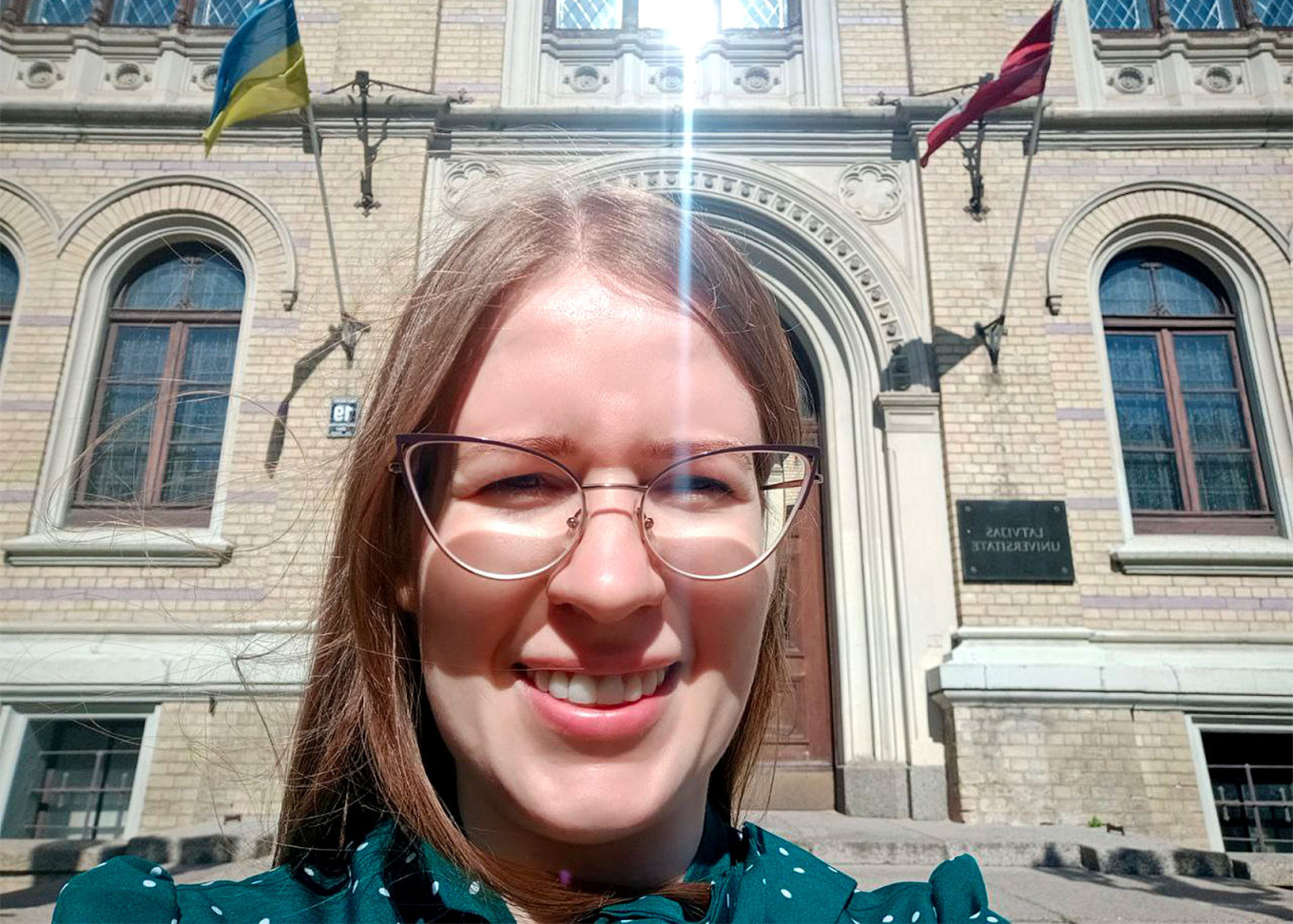
At a March council meeting in the Russian city of Voronezh, local deputy Nina Belyaeva condemned her country’s invasion of Ukraine and described the Russian military’s actions as a war crime. Within weeks, she was accused of “spreading false information” about the army — a violation of wartime censorship laws that can lead to a long jail sentence.  Belyaeva, 33, avoided arrest and fled to neighboring Latvia. Since then, she has not only been arrested in absentia by the Russian authorities, but was last month added to a terrorism list for criticizing Russian President Vladimir Putin. “When you understand the scale of the bombings, you cannot remain silent,” the deputy from Russia’s Communist Party told The Moscow Times in a phone interview. “I heard aircraft noise [in Voronezh] and I knew that the civilian airport was closed — I knew that any flying aircraft was a military one.” Over six months since the start of Russia’s invasion in February, thousands of people have been charged under laws punishing criticism of the war. But there appears to be little logic behind prosecutions and it is not just opposition figures and politicians on the receiving end — journalists, artists, musicians, school teachers, archaeologists, DJs, doctors and single mothers have also been targeted.


					Voronezh deputy Nina Belyaeva.					 					Nina Belyaeva / instagram
Voronezh deputy Nina Belyaeva. Nina Belyaeva / instagram
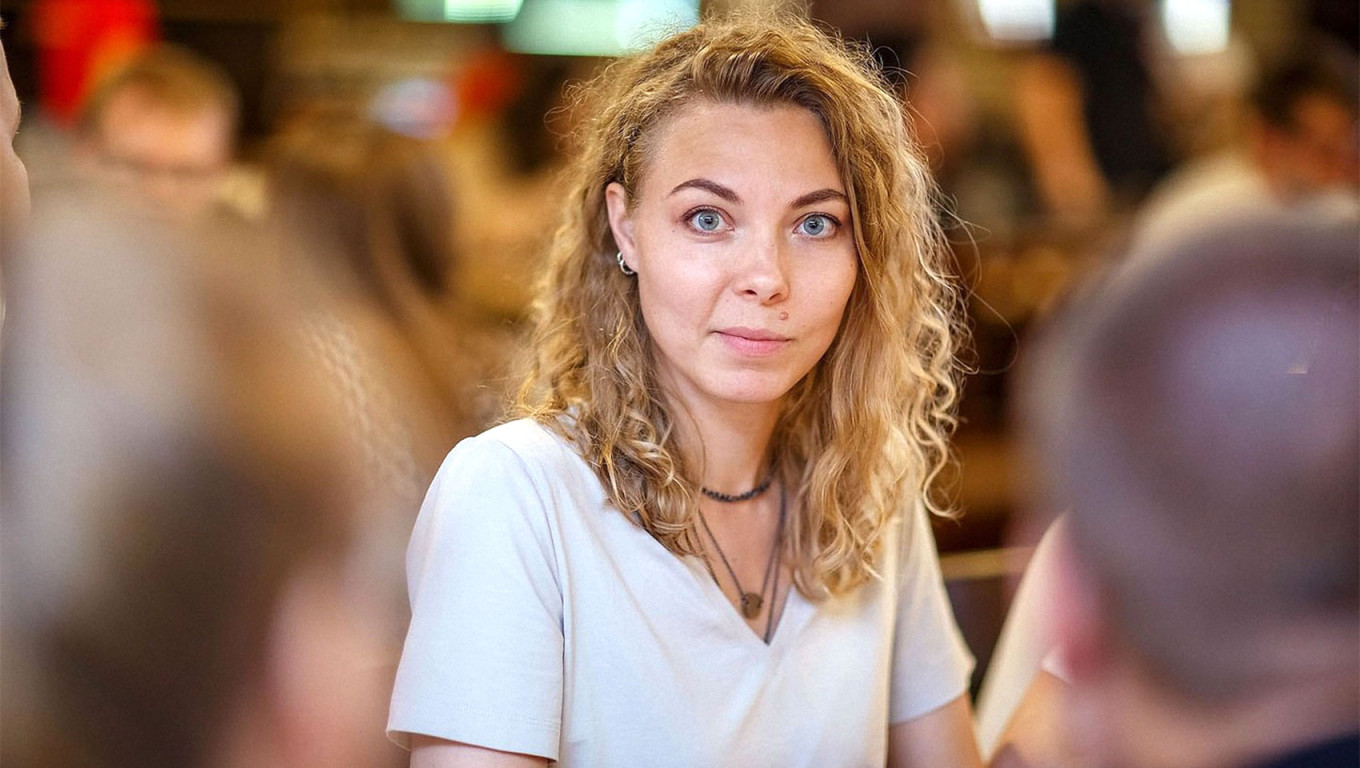
In total, Russia has opened more than 3,800 administrative cases for “discrediting” the Russian army since censorship laws were passed in March, according to the OVD-Info protest monitoring group. More seriously, there are dozens of active criminal cases for repeatedly “discrediting” the Armed Forces and at least 90 criminal cases have been opened for “spreading false information,” OVD-Info said. The punishment for those found guilty of "discrediting” the Russian Armed Forces is a fine of up to 1 million rubles ($16,467), with repeat offenders liable for prison sentence of up to five years; while those convicted of “spreading false information” can be sentenced to up to 15 years in prison. Like Belyaeva, many Russians have left the country due to the threat of long jail terms. Facing up to three years in prison for “spreading false information” about the Russian army, Siberian regional assembly deputy Helga Pirogova fled to neighboring Georgia last month. Pirogova, 33, was charged over a since-deleted tweet criticizing the mother of a dead Russian soldier who praised the authorities over arrangements for her son’s funeral. In a recent interview, Pirogova said a criminal case was the only thing that “could squeeze her out” of the country. 

					Novosibirsk deputy Helga Pirogova.					 					Helga Pirogova / instagram
Novosibirsk deputy Helga Pirogova. Helga Pirogova / instagram
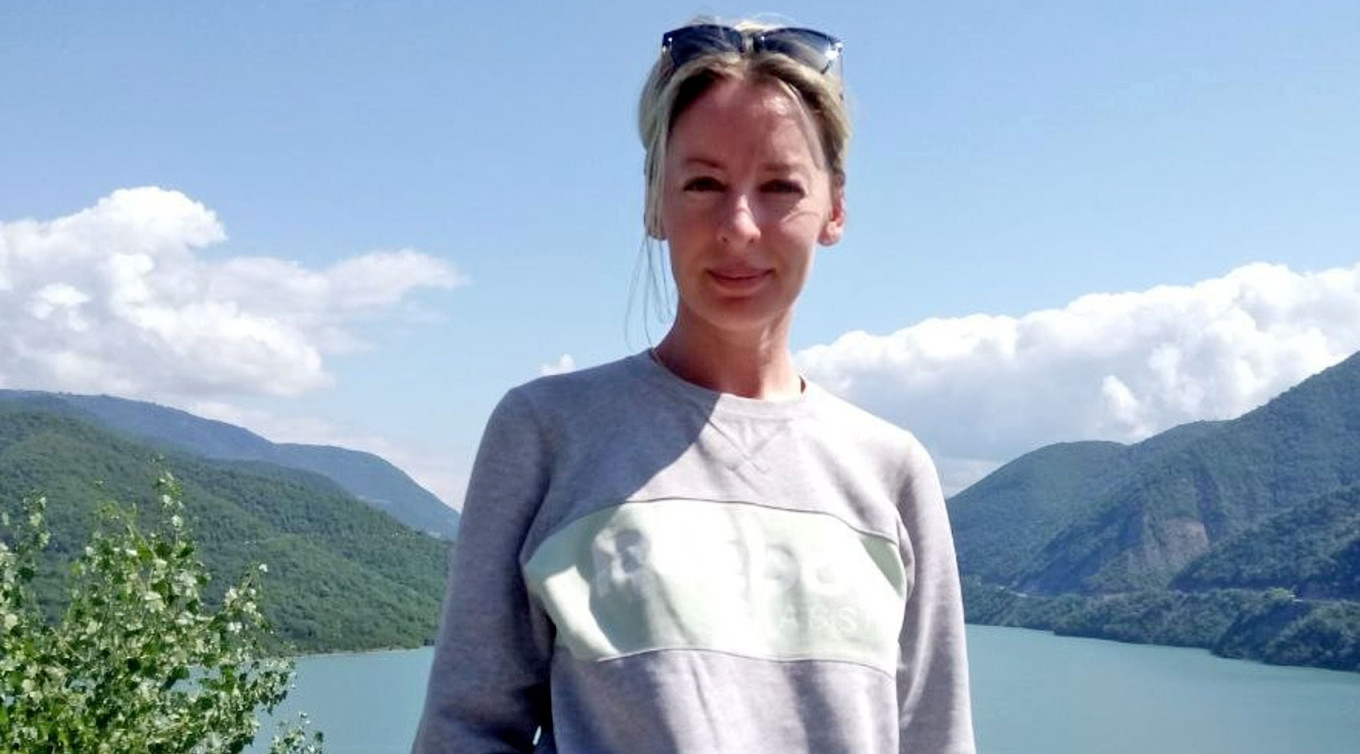
“I didn’t want to leave Russia. I still don’t want to and, to say the least, I can’t make peace with it. I have no desire to,” she told media outlet Meduza.  But activists and those involved in politics are not the only ones to have been targeted under the new laws. Sometimes, those charged have not even made anti-war statements.  Alexei Argunov, a philosophy and history teacher from the Siberian city of Barnaul, was fined 30,000 rubles ($484) last month for “discrediting” the Armed Forces after reacting to a post on Russian social network Odnoklassniki with an emoji. Argunov put emojis under three war-related posts, ironically adding a sad smile under news about a local official who was fined for stating his opposition to the Russian invasion. “It’s dangerous to express your opinion. People are not safe,“ Argunov told The Moscow Times in a phone interview.  In other examples, teacher Irina Gen, 45, received a five-year suspended sentence earlier this month for “spreading false information”; a DJ in Russian-annexed Crimea was jailed for ten days for "discrediting" the army after playing a Ukrainian song in a karaoke bar; archaeologist Yevgeny Kruglov, 46, was arrested after being accused of "spreading fale information" on social media; and Dmitry Chistyakov, a former spokesperson for Russia’s Emergency Situations Ministry, faces a fine of up to 50,000 rubles ($826) for “discrediting” the Armed Forces. Russian Orthodox theologian Andrei Kuraev was fined 30,000 rubles ($484) this week under the same law. While these censorship laws have been used many times, there is still much uncertainty surrounding the exact definition of “discrediting” the Armed Forces and “spreading false information.”


					Irina Gen, a teacher from Penza.					 					Photo from the personal archive of Irina Gen
Irina Gen, a teacher from Penza. Photo from the personal archive of Irina Gen

Russia’s Justice Ministry apparently has compiled a special guide stating that “a negative opinion” is viewed as “discrediting,” while “a statement of fact” is considered to be “spreading false information,” the Kommersant newspaper reported earlier this month.   Either way, the laws appear to have been designed to be vague enough that almost anyone can be targeted.  “We can definitely say that the laws are military censorship,” said Alexandra Baeva, the head of the legal department at OVD-Info. “Spreading any information that contradicts Russian official statements [about the situation in Ukraine] is punishable.”  The first person to be sentenced to a long jail term under the wartime censorship laws was Moscow municipal deputy Alexei Gorinov, who was given seven years in prison last month.  Gorinov’s crime was to question whether it was appropriate to hold an art competition for kids in his constituency while — as he put it — "children are dying" in Ukraine. He denied his guilt and held up a placard in court that read: “Do you still need this war?” Opposition leaders Ilya Yashin, 39, and Vladimir Kara-Murza, 40, who were arrested for allegedly "spreading false information" about the Russian army, are currently in jail awaiting trial. The former mayor of Yekaterinburg and another prominent Kremlin critic, Yevgeny Roizman, was detained Wednesday on criminal charges for repeatedly "discrediting” the Russian Armed Forces.
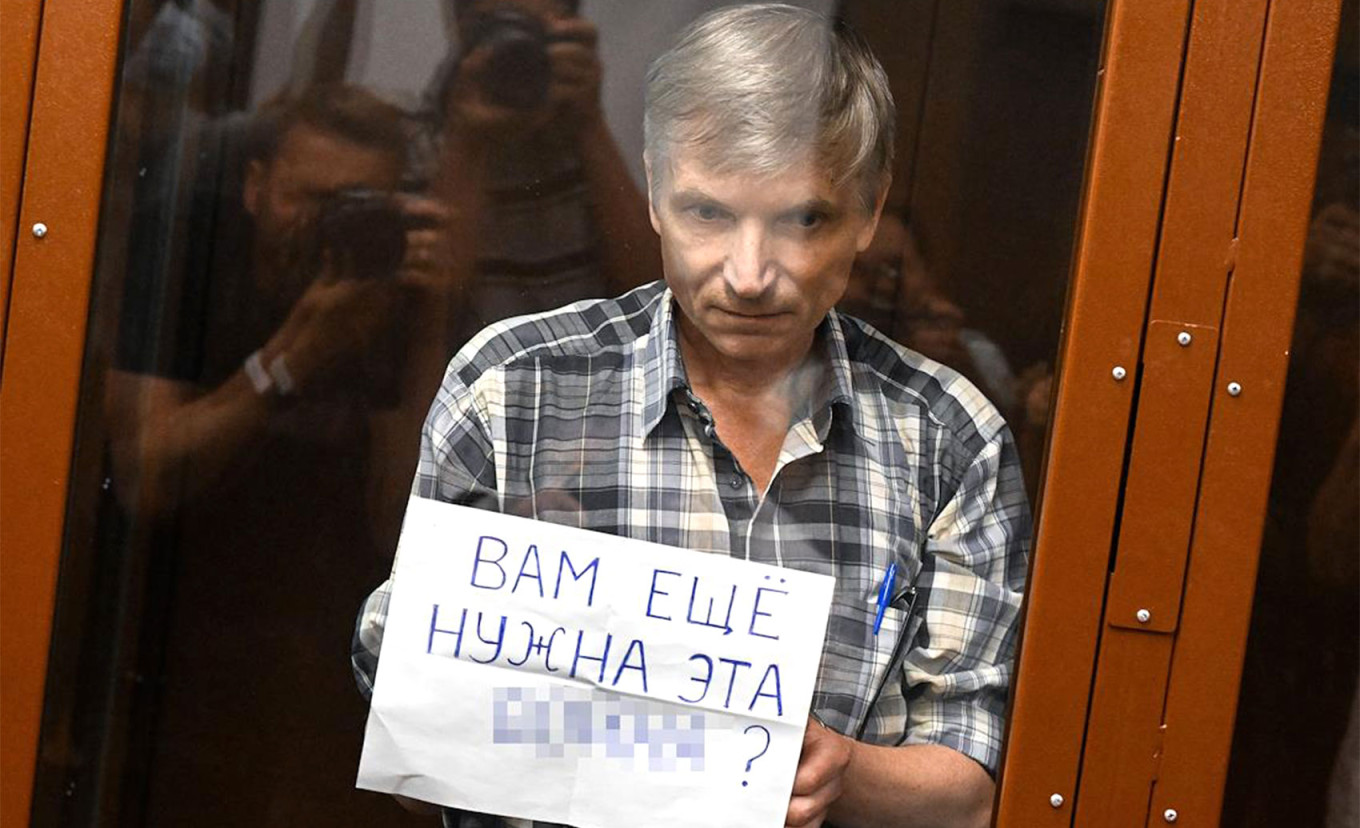

					Moscow municipal deputy Alexei Gorinov in court with a placard that read
Moscow municipal deputy Alexei Gorinov in court with a placard that read "Do you still need this war?" Anatoly Zhdanov / Kommersant

Along with politicians, journalists are also one of the largest groups to have been targeted, with at least 14 criminal cases for “spreading fakes” about the Russian Armed Forces opened against reporters, according to lawyer Stanislav Seleznyov, a senior partner at the Net Freedoms Project.  Russia’s Interior Ministry placed investigative journalist Andrei Soldatov on the federal wanted list after he was accused of “spreading false information” in March. Journalists Alexander Nevzorov and Michael Nacke and Conflict Intelligence Team founder Ruslan Leviyev have all been accused under the same law. In total, over 200 people are currently facing criminal prosecutions for voicing opposition to the war in Ukraine, according to the tally kept by OVD-Info. These criminal and administrative prosecutions have gone a long way toward silencing criticism of Russia's actions in Ukraine, according to Seleznyov.  “Every news report about yet another criminal case or fine for discrediting the army and spreading false information cools public discussion,” he said. Yet despite the unprecedented crackdown, Russians continue to oppose the war. “It was unbearable for me to understand that people [in Ukraine] were being killed and maimed and I couldn’t do anything,” Belyaeva said from Latvia.

“At least I could speak out.”


#Exile #Fines #Jail #Censorship #Laws #Heavy #Toll #AntiWar #Russians https://www.globalcourant.com/exile-fines-or-jail-censorship-laws-take-heavy-toll-on-anti-war-russians/?feed_id=15755&_unique_id=6307b9b171b2a

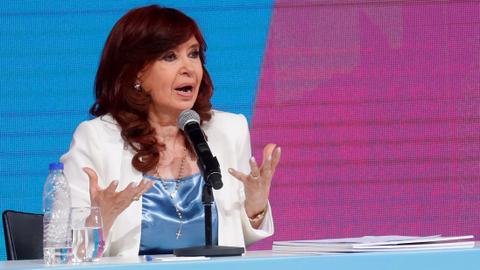
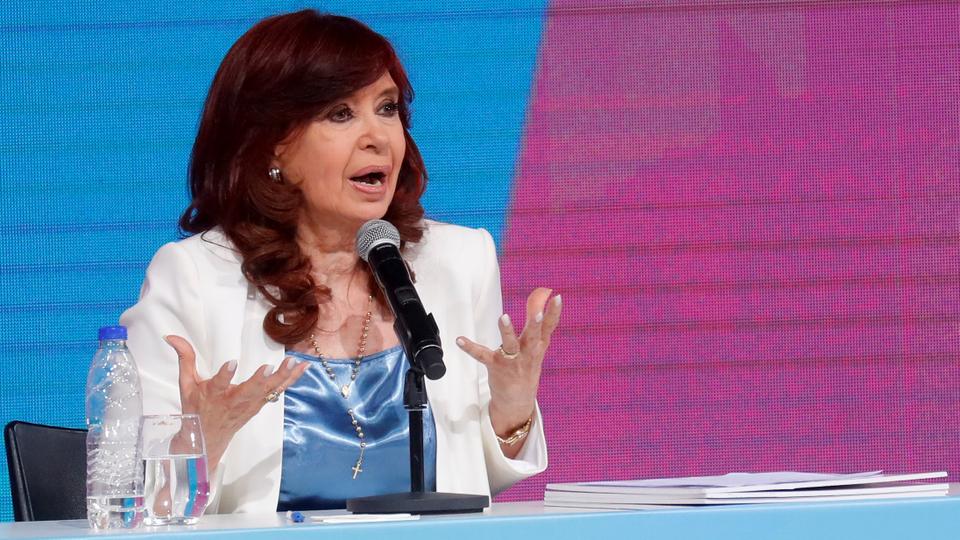
Prosecutor accuses Argentina's VP Kirchner over fraud, seeks 12 years jail

Argentina's prosecutor alleged the influential left-wing Kirchner of defrauding the state and involvement in a scheme to divert public funds while president between 2007 and 2015.

Argentine Vice-President Cristina Fernandez de Kirchner attends Argentina's state energy company YPF centennial celebrations, at the Tecnopolis Park, in Buenos Aires, Argentina on June 3, 2022.
Argentine Vice-President Cristina Fernandez de Kirchner attends Argentina's state energy company YPF centennial celebrations, at the Tecnopolis Park, in Buenos Aires, Argentina on June 3, 2022. (Reuters)
Argentina's public prosecutor has asked that Vice President Cristina Kirchner be sentenced to 12 years in prison and disqualified from public office for life for alleged corruption during her two terms as president. Kirchner, 69, is accused of fraudulently awarding public works contracts in her fiefdom in Patagonia, but even if convicted she would not go to jail so long as she benefits from parliamentary immunity as an elected senator. Kirchner is among the leaders of the governing Justicialist Party. A verdict is expected at the end of the year. There are two ways she could lose her parliamentary immunity: either by losing her senate seat at the next election, or if the Supreme Court were to ratify an eventual guilty verdict. Minutes after public prosecutor Diego Luciani's request was made public, the office of President Alberto Fernandez issued a statement condemning "the judicial and media persecution" of Kirchner. "None of the actions attributed to the ex-president has been proved and the whole accusation is based purely on the function she exercised at that time, which sadly degrades the most basic principles of modern criminal law." Another 12 people are also accused of involvement in the illicit attribution of public works contracts in the southern Santa Cruz province in favour of businessman Lazaro Baez. READ MORE: Argentina's Fernandez faces inflation protests by party supporters 'Institutional corruption' The period investigated includes Kirchner's eight years in office from 2007 to 2015 and the preceding four years when her late husband Nestor Kirchner, who died in 2010, was president. Luciani hit out at "an authentic system of institutional corruption" which he said was "probably the biggest corruption operation the country has known." Sergio Mola, another public prosecutor, said "there were systematic irregularities in the tenders over a 12-year period." "The evidence clearly demonstrates illicit manoeuvres," added Mola, who said the defendants had sought to defraud the state through "discretion in the use of funds." "It is not credible that Cristina Fernandez (Kirchner) would not have known about anything in the solitude of her office," said Mola. Highly divisive but still popular amongst the left, Kirchner has long proclaimed her innocence and accused the prosecutor's office of political persecution and "lawfare" — the use of legal systems or institutions to discredit an opponent. She has been investigated in recent years in a dozen different cases for crimes such as bribery, money laundering, speculative damage to the state and obstruction of justice. Several of those have been dismissed but five remain active. Source: AFP

Source https://www.globalcourant.com/prosecutor-accuses-argentinas-vp-kirchner-over-fraud-seeks-12-years-jail/?feed_id=14516&_unique_id=6304509814edb

Malaysia's Najib begins final bid to overturn 1MDB jail punishment

Fast News

Top court begins hearing ex-PM Najib Razak's appeal to overturn his jail sentence in a case linked to multibillion-dollar 1MDB financial scandal.

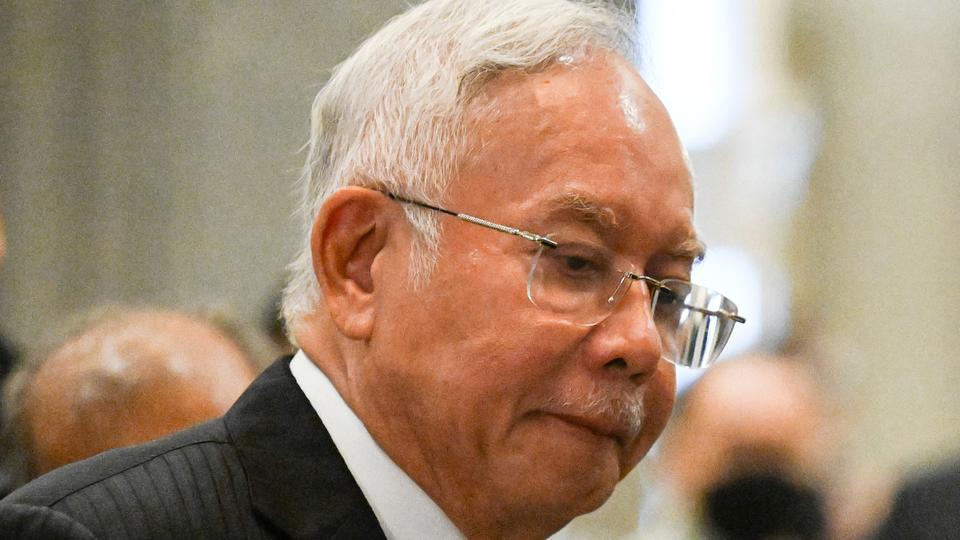
Prosecutors say more than $1 billion in 1MDB funds made their way into Najib's personal accounts.
Prosecutors say more than $1 billion in 1MDB funds made their way into Najib's personal accounts. (AFP)

Malaysia's top court has begun hearing ex-PM Najib Razak's appeal to overturn his jail sentence for corruption in a high-stakes legal gambit that could see him locked up or potentially launching a political comeback.

The Federal Court on Tuesday dismissed the former prime minister's plea for a retrial, clearing the way for the hearings which will be held until August 26.

Najib, 69, has pleaded not guilty to dozens of charges over the alleged theft of $4.5 billion from 1Malaysia Development Berhad (or 1MDB), a state fund he co-founded as premier in 2009. 

The scandal has ensnared high-ranking officials and financial institutions around the world.

Prosecutors say more than $1 billion in 1MDB funds made its way into Najib's personal accounts. 

In July 2020, he was convicted in the first of several trials of criminal breach of trust, abuse of power and money laundering, for illegally receiving about $10 million from SRC International, a former 1MDB unit. 

An appeals court upheld the conviction last year.

Source: AFP


Source https://www.globalcourant.com/malaysias-najib-begins-final-bid-to-overturn-1mdb-jail-punishment/?feed_id=12372&_unique_id=62fda818d58b6